
21st Sunday in Ordinary time
23 August, 2026
Who do people say that the son of man is?
Is 22:19-23, Rom 11:33-36, Matthew 16:13-20.
In our first reading, we have the rejection of Shebna as the master of the palace in Judah and his subsequent replacement by Eliakim. We may ask, why did the Lord reject Shebna? The story goes back to the reign of Ahaz, the father of Hezekiah, when Shebna served as the treasurer of the palace. During his service in the palace, Shebna took his office for granted. He became so proud and acted deceitfully. According to historians, he even conspired with Assyria in an attack on Jerusalem. As a result of his wickedness and treason, the Lord sent Prophet Isaiah to proclaim judgment on him. Part of the prophecy is what we have today as our first reading. He would be brought down, and another man, Eliakim, would be put in his place over the household of Judah, and the key of the house of David shall be placed on his shoulder. This is similar to what Jesus would do to Peter in the Gospel by giving him the keys to the kingdom of heaven. Both the keys mentioned here and the one mentioned in the Gospel stand for authority and stewardship. Eliakim, a faithful and trustworthy servant, would now take the place of Shebna, who rose from a lower position to become great. Who would have ever thought of Eliakim rising to this rank? Indeed, St. Paul was right in the second reading when he spoke of how impossible it is to fathom the wisdom and wonders of the Lord. We can’t question or give counsel to God. We can never know the mind of God; all we need to do is submit to His will.
In the Gospel, Peter affirms the divinity of Jesus Christ as the Son of God when asked the question about His identity. In return, he was promised the keys to the kingdom of heaven.
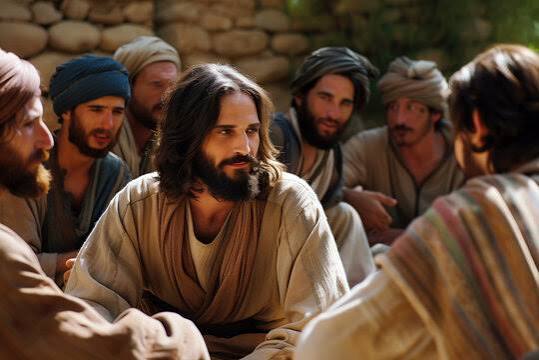
In the Gospel, Jesus gives two ways of evaluating ourselves in the form of two questions. First, ‘Who do people say that I am? Here, Jesus did not ask this question to gain popularity or so that people would accept him as the Messiah. He wanted people to know his real identity, not just know about Him. By asking this question, Jesus wanted the testimony of outsiders because sometimes those close to you may not tell you the truth about your life. The testimony you get from an outsider can help you adjust your life for the better or the worse. What people say about you in your absence can say a lot about you. It is very easy for people to flatter you in your presence but finish you behind. The words of your critics can sometimes reveal what friends hide from you. For you to grow in life, you need to know what people say about you. Ask yourself, What are people really saying about me?
The second dimension to evaluate ourselves comes from Jesus’ second question, “Whom do you say I am?” The question now becomes much more personal. Here, you will need the testimony of an insider (those you live with). You need to know what your children, friends, coworkers, wife, husband, and neighbor are saying about you. Do they say that you are wicked, heartless, lazy, a liar, hot-tempered, stingy, a troublemaker, a lover of money, ungrateful, or a drunkard? Or do they say you are good, humble, gentle, kind-hearted, trustworthy, and reliable?
When Jesus asked the second question in the Gospel, Whom do you say I am, it was Peter who spoke up and told Jesus the truth. You are Christ, the Son of the living God. How often do we tell people the truth about themselves? Peter was honest and bold to tell Jesus what people said about him. Don’t hide the truth from those who are close to you. Don’t be afraid of rebuke. Don’t talk about people behind their backs; tell them the truth to their faces. Proverbs 28:23: “He who corrects a man will, in the end, gain more favor than he who has a flattering tongue.” Even if it hurts, learn to tell the truth (See Jn 8:32). But we also have to be prudent in telling people the truth. Truth should be told in charity. Any truth told without charity can lose its meaning. We need to be charitable with our words. We should avoid lying and castigating one another. Don’t be shy in telling the truth. You do not have to defend the truth; just speak it out. As Augustine of Hippo once said: “The truth is like a lion; you don’t have to defend it. Let it loose; it will defend itself.”
May the message of Christ continue to find a dwelling place in our lives. Through the same Christ our Lord. Amen!